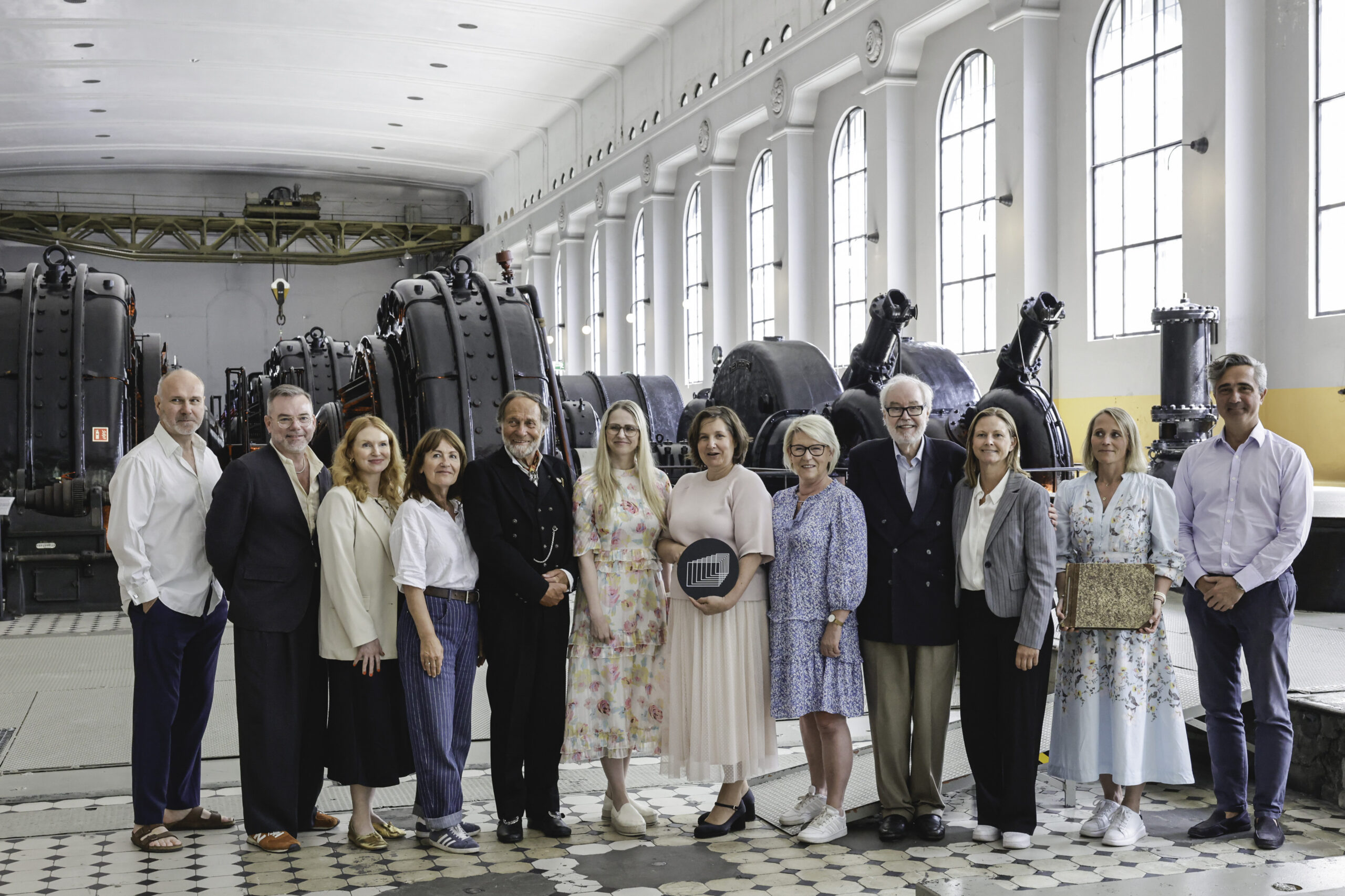
The European Film Academy has placed Vemork at Rjukan on its Treasures of European Film Culture list—cultural heritage sites that must be protected and preserved for the future. On Thursday, 25 June, the plaque was presented to Norsk industriarbeidermuseum in a ceremony featuring speeches and cultural performances in the historic turbine hall at Vemork.
Vemork now joins iconic film locations such as the Trevi Fountain in Rome, the Odessa Steps, and Studio Babelsberg outside Berlin. Norway thus gains a new site included in an exclusive circle of places that the European Film Academy (EFA) considers to hold historical value for Europe’s film heritage.
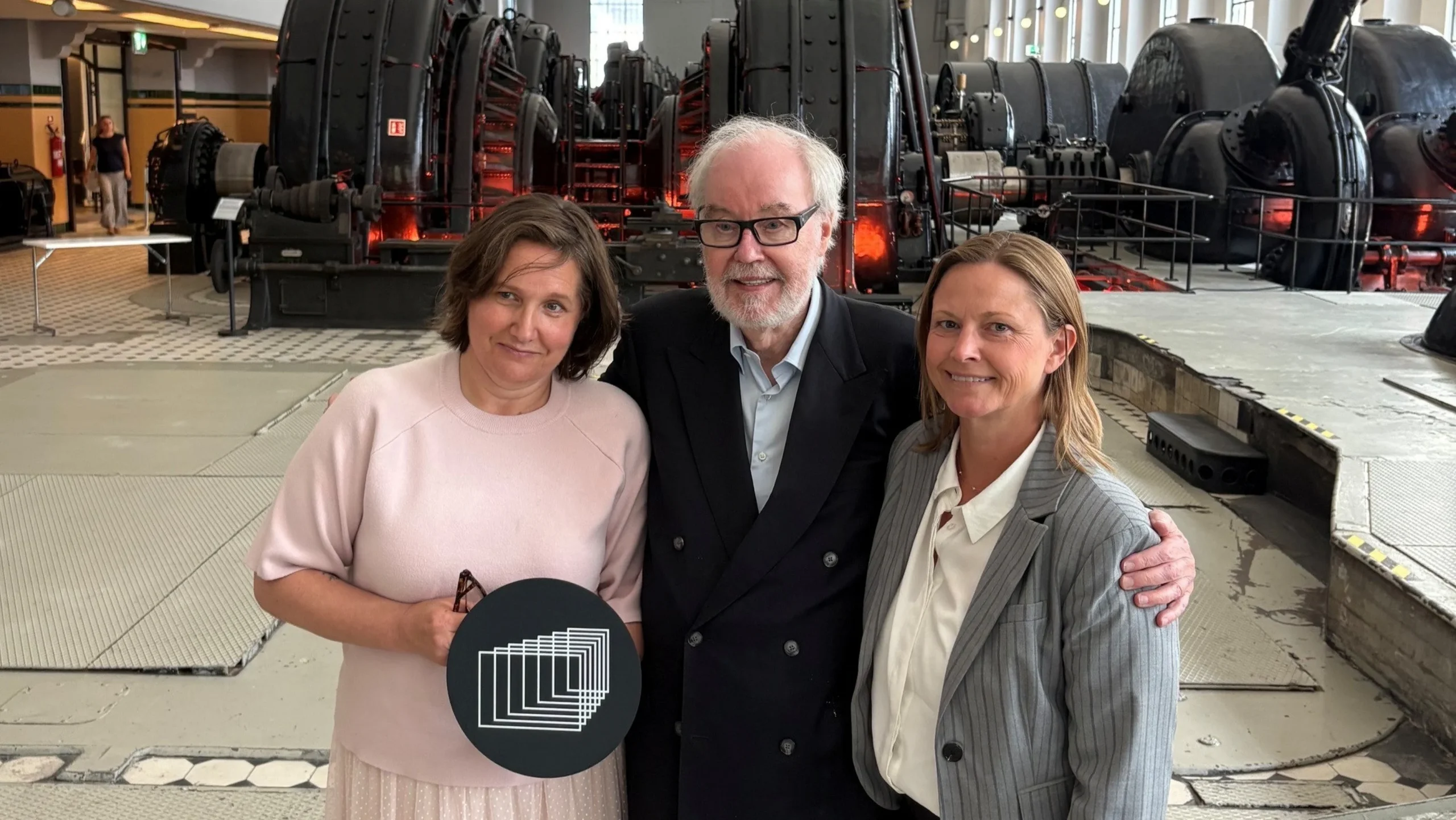
“I am pleased with this recognition of Vemork from the European Film Academy. It is well deserved. Vemork has a dramatic and important history, and it also looks spectacular on film,” says Minister of Culture and Equality Lubna Jaffery, who earlier this year visited the Vemork power plant and Tungtvannskjelleren (the Heavy Water Cellar), the site of the famous World War II sabotage operation in which the heavy water production facility was destroyed.
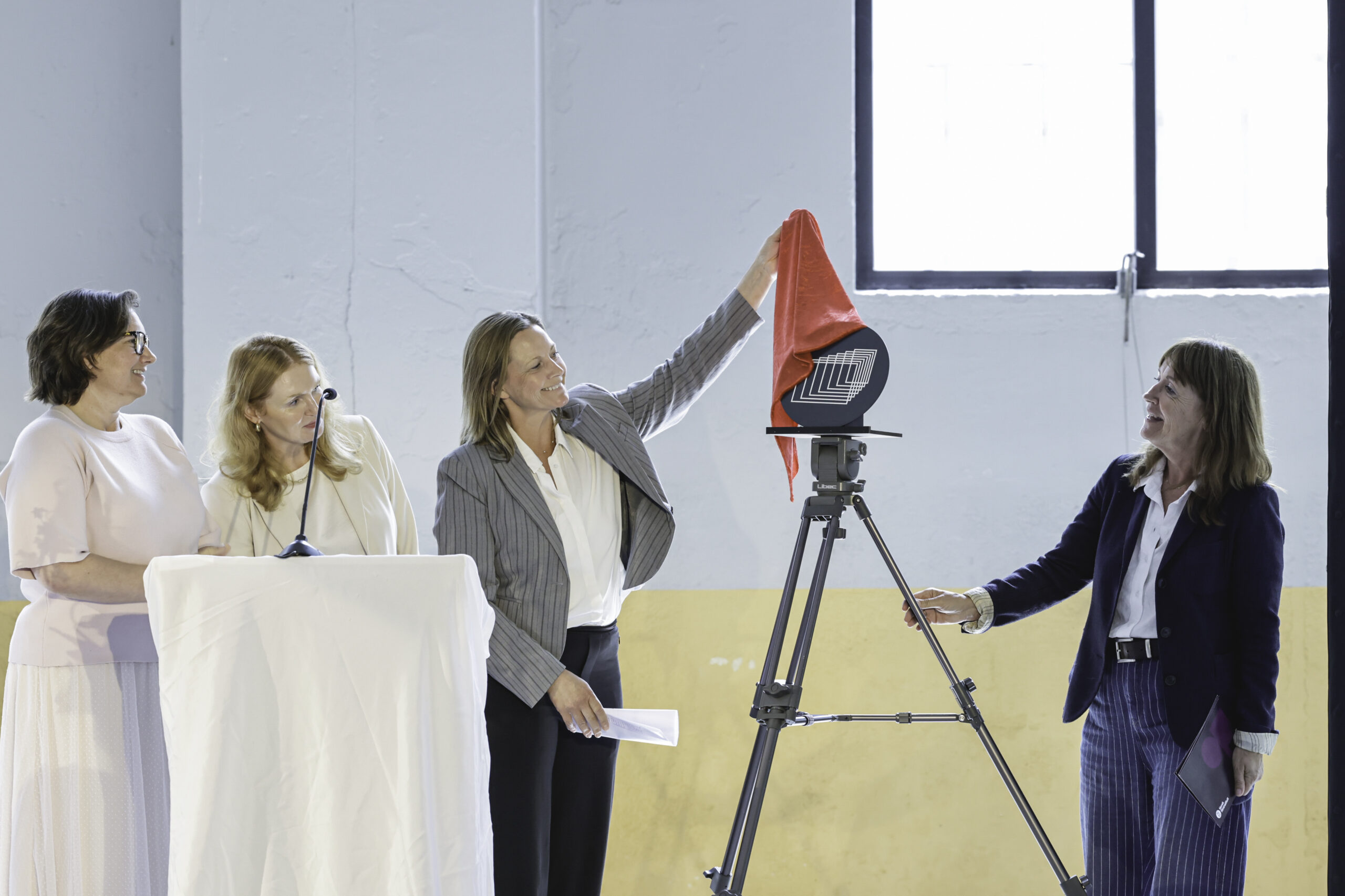
The unveiling of the plaque confirming Vemork’s inclusion in this exclusive group of film heritage sites was carried out by Danish sales agent Tine Klint, a board member of the European Film Academy. Among the speakers was also film producer John M. Jacobsen, who has produced, among other works, the feature film No. 24 and the series The Heavy Water War, both set in Rjukan and Vemork. Musical performances were delivered by saxophonist Bendik Hofseth, recently awarded the Order of St. Olav.
“A great day and this recognition is a great honor for Vemork, the Norwegian Industrial Workers’ Museum and for our entire shared cultural heritage. This award strengthens our shared responsibility to preserve and further develop the place – so that future generations can experience the history and heritage associated with Vemork,” says a moved and happy Anna Hereid, director of the Norwegian Industrial Workers’ Museum.
Tor Nicolaysen and Erik Staubo presented the photo album from the film The Battle for Heavy Water (1948) to the museum and Ingelinn Kårvand expressed his thanks on behalf of the NIA.
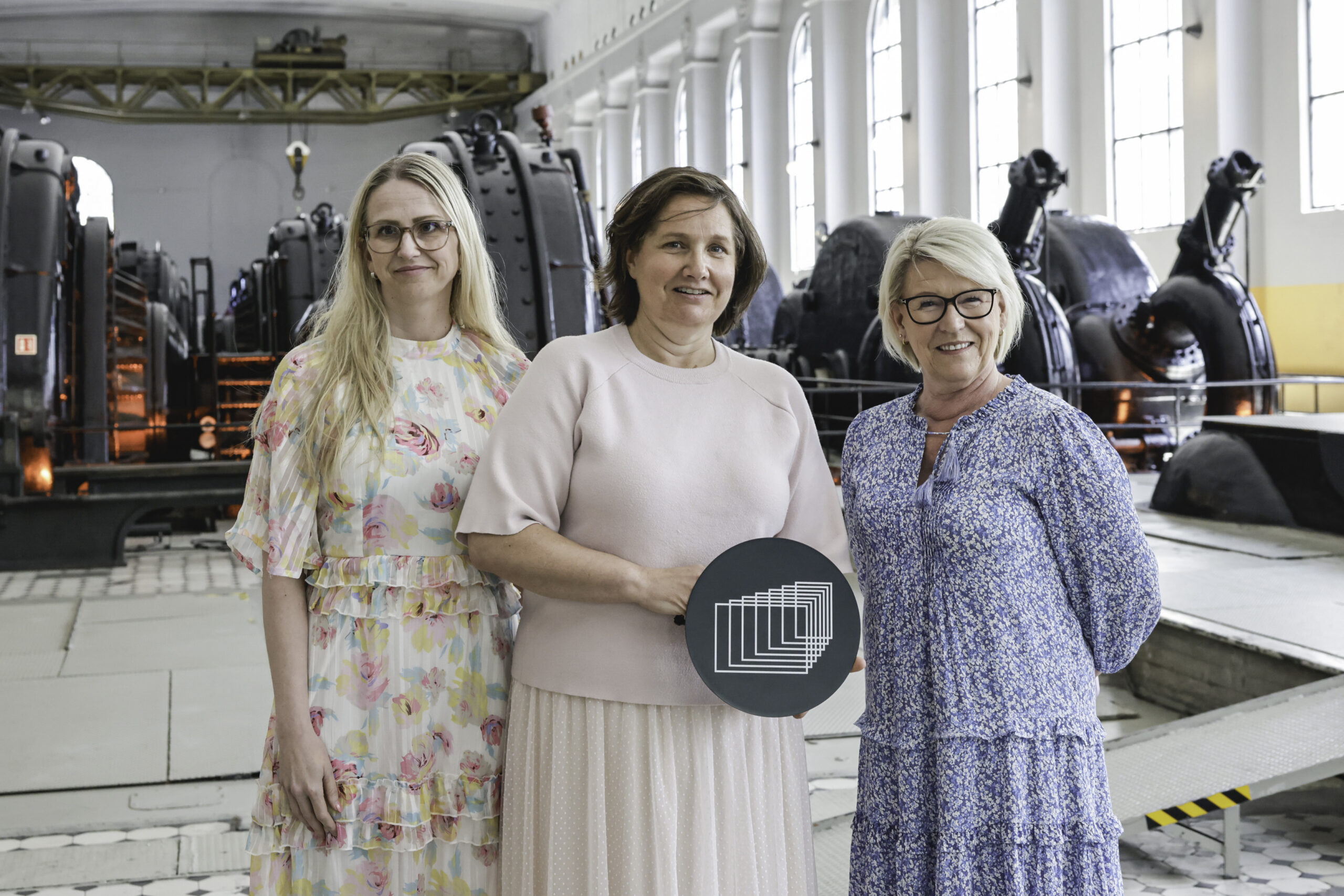
Jar in 2024
With this designation, the Academy highlights sites of particular significance to European film art—film locations that should be preserved for future generations. This is the second time a Norwegian site has received this recognition, following the inclusion of the Norwegian Film Studio at Jar on the list in 2024.
Nordic sites that have received this honor include Kaffibarinn in Reykjavik, Gamla Filmstaden in Sweden, and Skjoldenæsholm Castle in Denmark.
History, architecture and nature
“Very few places combine dramatic history, distinctive architecture, and magnificent natural surroundings in the way Vemork does. It is therefore not surprising that the area has been used in numerous film and TV productions over the years. Now that Vemork is recognized as a treasure of European film culture, it will help raise awareness of its importance and ensure that it is preserved for future generations,” says Kjersti Mo, Director of the Norwegian Film Institute.
The European Film Academy is the European counterpart to the American Academy of Motion Picture Arts and Sciences, which awards the Oscars. Treasures of European Film Culture is part of the European Film Academy’s expanded activities, launched in 2022.